

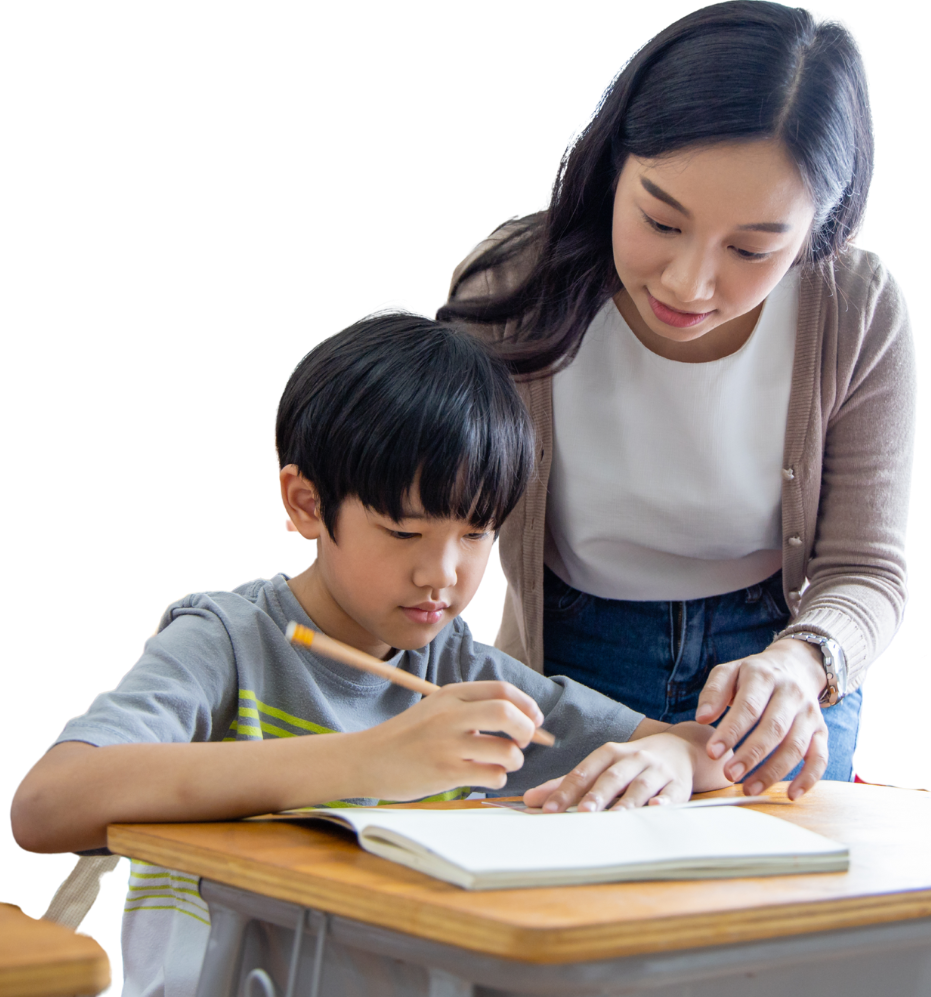
The step from kindergarten to primary school is an exciting milestone, filled with opportunities for growth, learning, and building friendships. While primary schools are designed to support children as they adjust to a more structured environment, teachers often share that there are a few key skills that make this transition so much smoother for little ones.
The good news? These skills aren’t about academic perfection—they’re about independence, confidence, and simply being ready for the adventure ahead. Here’s a short guide (with easy ideas for busy parents) to help your child thrive when the big day arrives.
1. Growing Independence
Primary school is a big step toward children doing things for themselves, like managing their belongings, going to the toilet on their own, or putting on their shoes. Practising these little tasks can go a long way toward building their confidence.
Easy ways to encourage at home:
- Let your child practise zipping their coat, packing their own bag, or opening snack containers.
- Celebrate their efforts—even if it doesn’t go perfectly: “Oops, the bag’s a little squishy! Great job trying by yourself!”
2. Practising Social Skills
At Hess Preschool, we understand your hopes and expectations for your child’s future. The Hess Curriculum is thoughtfully designed to align with early learning standards, ensuring that your child develops the knowledge and skills necessary to transition seamlessly into primary school.
Here’s how our curriculum sets your child up for success:
- Readiness for School: From word and number recognition to understanding sequencing, patterns, and shapes, every day builds towards the academic skills your child will need.
- Critical Thinking and Curiosity: Through open-ended exploration, children are encouraged to ask questions, form hypotheses, and find answers—a vital aspect of STEM learning.
- Emotional Intelligence: School isn’t only about academics; it’s also about developing patience, persistence, and positive relationships. Activities like group projects help children build these crucial life skills.
- Confident Learners: When children see learning as an enjoyable and rewarding experience, they approach challenges with curiosity, excitement, and creativity.
3. Listening and Following Instructions
In primary school, children often work as part of a larger class. Learning to listen carefully, focus, and follow simple instructions can make everything—from lessons to activities—much more manageable for them.
Make it fun:
Play games like “Simon Says” or sing action songs like “Head, Shoulders, Knees and Toes.”
Give them simple tasks at home, like “Put your shoes by the door, then grab your toy.”
4. Finding Emotional Resilience
New faces, routines, and challenges can feel overwhelming for young children. The ability to recognise their feelings, express them calmly, and bounce back when things don’t go their way is an invaluable skill.
Ways to model and support at home:
- Label your child’s emotions: “You’re feeling frustrated because the blocks fell. Let’s try again!”
- Teach simple calming techniques, like deep breaths, stretching, or counting to five.
5. Sparking Curiosity, Not Just Academics
Primary school teachers don’t expect kindergarten graduates to nail every academic skill (honestly, there’s plenty of time for that). What they love seeing is children who are eager to learn, ask questions, and enjoy exploring new ideas.
Encourage a love of learning:
- Incorporate everyday exploration, like counting apples at the shop or spotting shapes in the park.
- Praise effort over result: “You tried so hard to finish that puzzle. Well done!”
6. Speaking Up When They Need Help
Children who feel comfortable asking questions or voicing when they need help adjust more quickly to new routines. Building their communication skills can make a big difference.
Try this at home:
Encourage them to express their needs clearly: “Please can I have some water?” or “I’m having trouble with this.”
Role-model asking questions during play, like, “Hmm, I wonder where this piece goes?”
It’s About Progress, Not Perfection
Every child grows at their own pace, and primary school is full of opportunities for children to build confidence and learn new skills. What teachers hope for most is that children arrive ready to try their best—knowing it’s okay to not get everything right straight away.
With a focus on independence, curiosity, and emotional readiness through small everyday moments, you’re already giving your child strong roots to help them thrive. And remember—teachers are there to guide, nurture, and encourage every step of the way.
You’ve got this, and so does your little one!